
Inaar Cleaning and Khaane Cleaning: The Complete Guide to Maintaining Safe and Reliable Water Sources
Table of Contents
For many homes, farms, commercial buildings, and rural communities, inaar (water well) and khaane (underground water collection pit or traditional water source) remain essential sources of water. These systems provide water for drinking, household use, irrigation, and daily activities. However, because they are constantly exposed to soil, leaves, sediment, algae, insects, and other contaminants, they require regular maintenance to keep the water source clean and functional.
Without routine cleaning, dirt and debris can accumulate at the bottom of the well or water source, reducing water quality, restricting water flow, creating unpleasant odors, and increasing the risk of contamination.
Professional Inaar Cleaning and Khaane Cleaning helps remove accumulated sludge, sediment, algae, and debris while improving the condition of the water source. Regular maintenance also helps extend the life of the structure and supports cleaner water storage.
In this guide, you’ll learn why inaar and khaane cleaning is important, common causes of contamination, warning signs that cleaning is needed, the benefits of professional services, and recommended maintenance intervals.
What Is Inaar Cleaning and Khaane Cleaning?
Inaar cleaning and khaane cleaning involve removing dirt, sludge, sediment, algae, leaves, and other contaminants from traditional water sources and underground water collection systems.
Professional services commonly include:
- Inaar cleaning
- Khaane cleaning
- Well sludge removal
- Sediment removal
- Algae cleaning
- Debris removal
- Wall cleaning
- Bottom cleaning
- Water source inspection
- Water storage maintenance
The exact cleaning process depends on the size, depth, accessibility, and condition of the structure.
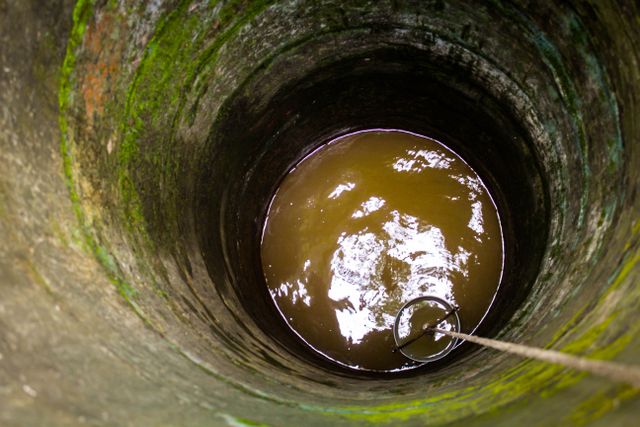
Why Do Inaar and Khaane Become Dirty?
Even protected water sources gradually accumulate contaminants over time.
Several factors contribute to this buildup.
Sediment
Sand, soil, and fine particles naturally settle at the bottom of the water source.
Fallen Leaves
Leaves and organic debris often enter uncovered or partially covered wells.
Algae Growth
Exposure to sunlight encourages algae growth on walls and water surfaces.
Mud Accumulation
Heavy rainfall and surface runoff may carry mud into the well.
Organic Matter
Twigs, insects, and natural debris slowly decompose if not removed.
Long-Term Neglect
Without routine cleaning, contaminants continue to accumulate, affecting water quality and storage capacity.
Signs Your Inaar or Khaane Needs Cleaning
Many water sources show visible warning signs before serious problems develop.
Common signs include:
Cloudy Water
Water appears dirty or contains suspended particles.
Unpleasant Odor
Foul smells may indicate accumulated organic matter or stagnant water.
Visible Sediment
Mud or sludge becomes visible at the bottom of the structure.
Algae Growth
Green deposits appear on walls or floating on the water surface.
Reduced Water Quality
Changes in color, smell, or clarity suggest the need for maintenance.
Reduced Water Capacity
Accumulated sediment decreases the effective storage volume of the well or water collection pit.
Benefits of Professional Inaar Cleaning and Khaane Cleaning
Routine maintenance offers several important advantages.
Cleaner Water Storage
Removing sludge and debris helps maintain a cleaner water source.
Improved Water Quality
Cleaning reduces accumulated contaminants that may affect water clarity and hygiene.
Better Water Flow
Removing sediment can help improve water movement and storage capacity.
Longer Structure Lifespan
Routine cleaning helps preserve the walls and structural condition of the well or water pit.
Reduced Maintenance Costs
Preventive maintenance helps avoid more extensive repairs in the future.
Supports Better Hygiene
A clean water source contributes to healthier water storage and daily use.
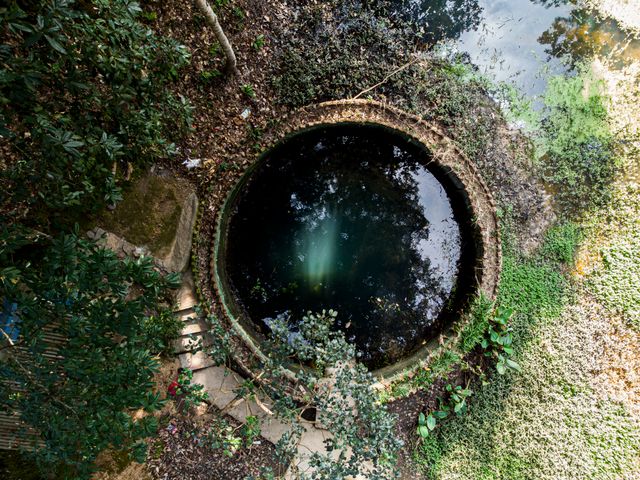
Types of Water Sources We Clean
Professional cleaning is suitable for various traditional and underground water storage systems.
These include:
- Inaar (traditional water wells)
- Khaane
- Underground water collection pits
- Irrigation water wells
- Farm water storage wells
- Residential wells
- Commercial water wells
- Community water sources
- Open wells
- Concrete wells
Each structure requires a cleaning method based on its construction and condition.
Residential Inaar Cleaning
Many households continue to depend on wells for daily water needs.
Residential cleaning is suitable for:
- Houses
- Farmhouses
- Rural homes
- Residential compounds
- Private water wells
Routine maintenance helps preserve water quality throughout the year.
Commercial and Agricultural Well Cleaning
Businesses and farms also rely on clean water sources.
Common applications include:
- Farms
- Livestock facilities
- Agricultural properties
- Commercial compounds
- Schools
- Religious institutions
- Community water systems
Regular cleaning supports reliable water availability for daily operations.
How Often Should an Inaar or Khaane Be Cleaned?
Cleaning frequency depends on environmental conditions and water usage.
General recommendations include:
- Residential wells: Every 6–12 months
- Agricultural wells: Every 6 months
- Community wells: Every 6 months
- Commercial water sources: Every 6 months
More frequent inspections may be required after heavy rainfall or flooding.
Tips to Keep Your Water Source Clean
Professional cleaning should be combined with good maintenance practices.
Helpful tips include:
- Keep the well properly covered.
- Prevent surface runoff from entering.
- Remove nearby debris regularly.
- Inspect the surrounding area.
- Repair damaged covers immediately.
- Maintain nearby drainage.
- Schedule routine professional cleaning.
These simple measures help reduce contamination between maintenance visits.
Why Hire a Professional Inaar Cleaning Service?
Cleaning deep wells and underground water sources requires specialized equipment, safety procedures, and experienced technicians.
Professional services provide:
- Safe cleaning methods
- Thorough sludge removal
- Complete sediment cleaning
- Professional inspection
- Better cleaning efficiency
- Reduced safety risks
- Reliable maintenance recommendations
Professional cleaning helps restore the water source while protecting both the structure and the people performing the work.
Frequently Asked Questions
Why should an inaar be cleaned regularly?
Sediment, algae, leaves, and organic matter gradually accumulate inside the well, affecting water quality and storage capacity. Routine cleaning helps maintain a cleaner water source.
How often should a khaane be cleaned?
Most underground water collection systems benefit from professional cleaning every six to twelve months, depending on usage and environmental conditions.
Can cleaning improve water quality?
Yes. Removing accumulated sludge, debris, and algae helps improve the cleanliness and condition of the stored water.
How long does professional cleaning take?
The duration depends on the size, depth, and condition of the structure. Most residential cleaning projects can be completed within a day.
Is professional cleaning safer than doing it yourself?
Yes. Deep wells and underground water structures may present safety hazards, making professional equipment and trained personnel essential.
Final Thoughts
Traditional water sources such as inaar and khaane continue to play an important role in supplying water for homes, farms, and communities. However, without regular maintenance, sediment, algae, debris, and organic matter gradually reduce water quality and storage efficiency.
Professional Inaar Cleaning and Khaane Cleaning helps maintain cleaner water sources, improve storage capacity, protect the structure, and support reliable water availability throughout the year.
Whether you have a private well, agricultural water source, community well, or underground water collection system, routine cleaning is a smart investment in the long-term health and performance of your water supply.
If your water source shows signs of sediment buildup, algae growth, unpleasant odors, or reduced water quality, now is the ideal time to schedule a professional cleaning service and restore your inaar or khaane to its best condition.
