
Water Pipeline Cleaning: Why It Matters, Signs You Need It, and How Professional Cleaning Protects Your Plumbing
Table of Contents
Clean water is something every home and business depends on every day. We expect clear, safe water to flow from every tap without giving much thought to what happens inside the pipes. However, while water may look clean when it reaches your faucet, the inside of your plumbing system can gradually collect sediment, rust, mineral deposits, scale, and other contaminants over time.
These hidden deposits can reduce water pressure, affect water quality, shorten the lifespan of your plumbing system, and increase maintenance costs.
Professional water pipeline cleaning helps remove internal buildup and restores the efficiency of your plumbing system. Whether you own a home, apartment, hotel, office, restaurant, hospital, or commercial building, regular pipeline maintenance is an important part of keeping your water distribution system working efficiently.
In this guide, you’ll learn why water pipeline cleaning is important, how to identify the warning signs, the benefits of professional cleaning, and how often your plumbing system should be maintained.
What Is Water Pipeline Cleaning?
Water pipeline cleaning is the process of removing accumulated deposits from the inside of water supply pipes. As water flows through plumbing systems over many years, it naturally leaves behind minerals, sediment, rust, and scale that slowly reduce the internal diameter of the pipes.
Professional cleaning removes these deposits using specialized equipment and cleaning methods designed to restore water flow without damaging the plumbing system.
Pipeline cleaning is commonly performed in:
- Residential homes
- Apartment buildings
- Hotels
- Restaurants
- Office buildings
- Schools
- Hospitals
- Commercial properties
- Industrial facilities
Regular maintenance helps improve water flow and supports the long-term health of the plumbing system.
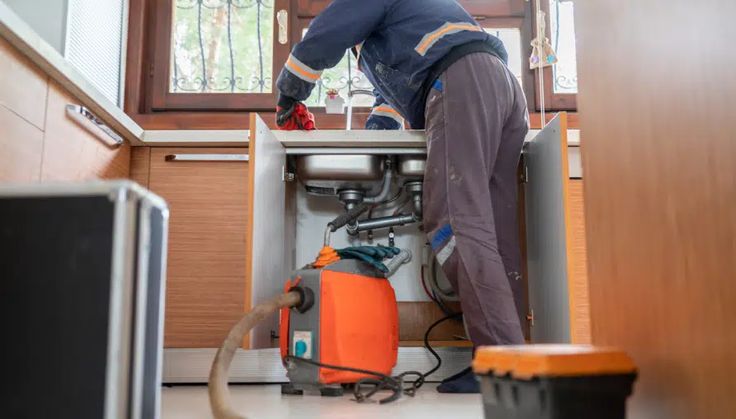
Why Do Water Pipelines Become Dirty?
Many people assume that only drainage pipes become dirty. In reality, clean water pipes also develop internal buildup over time.
Several factors contribute to this process.
Mineral Deposits
Hard water contains calcium and magnesium. As water travels through the pipes, these minerals gradually stick to the pipe walls, creating scale.
Rust Formation
Older galvanized iron and metal pipes may corrode internally, producing rust that restricts water flow.
Sediment
Sand, dirt, and small particles entering the water supply can settle inside the pipeline over time.
Biofilm
Naturally occurring microorganisms can form thin biological layers inside water pipes, particularly in systems with low water movement.
Aging Plumbing Systems
Older plumbing systems generally contain more internal buildup than newer installations, making regular maintenance increasingly important.
Signs Your Water Pipelines Need Cleaning
Many plumbing problems develop gradually, making them easy to overlook.
Here are some common warning signs.
Reduced Water Pressure
If water pressure has slowly decreased throughout your property, internal buildup inside the pipes could be restricting water flow.
Discolored Water
Brown, yellow, or rusty water may indicate corrosion or sediment inside older pipelines.
Uneven Water Flow
Some taps may have stronger flow than others due to localized buildup within the plumbing network.
Cloudy Water
Water containing suspended particles may suggest sediment accumulation inside the plumbing system.
Frequent Plumbing Maintenance
If you regularly experience plumbing issues, internal pipe deposits may be contributing to recurring problems.
Older Plumbing
If your building has older pipes and they have never been professionally cleaned, maintenance may be beneficial.
Benefits of Professional Water Pipeline Cleaning
Professional pipeline cleaning provides numerous long-term benefits.
Improved Water Pressure
Removing scale and sediment allows water to move more freely through the pipes, improving pressure throughout the property.
Better Water Flow
Clean pipelines deliver more consistent water flow to every faucet, shower, and appliance.
Cleaner Water
Removing accumulated deposits helps improve the condition of the plumbing system and supports cleaner water delivery.
Lower Maintenance Costs
Preventive cleaning helps reduce plumbing issues before they require expensive repairs.
Longer Plumbing Lifespan
Keeping pipelines clean reduces unnecessary strain on the plumbing system and helps preserve its condition.
Better Performance
A clean plumbing network operates more efficiently and provides a more reliable water supply.
How Professional Water Pipeline Cleaning Works
Professional cleaning begins with a careful inspection of the plumbing system.
A typical cleaning process includes:
- Plumbing inspection
- Water flow assessment
- Identification of buildup
- Cleaning preparation
- Internal pipeline cleaning
- System flushing
- Performance testing
- Final inspection
Every plumbing system is different, so the exact cleaning method depends on the pipe material, age, and condition.
Residential Water Pipeline Cleaning
Homeowners often overlook pipeline maintenance until water pressure drops or plumbing issues develop.
Professional residential cleaning helps maintain:
- Kitchen water supply
- Bathroom plumbing
- Shower systems
- Laundry areas
- Outdoor taps
- Water storage connections
Routine maintenance helps improve the overall efficiency of the home’s plumbing system.
Commercial Water Pipeline Cleaning
Commercial properties depend on reliable water supply for employees, customers, and daily operations.
Businesses that benefit from pipeline cleaning include:
- Hotels
- Restaurants
- Hospitals
- Office buildings
- Shopping malls
- Schools
- Manufacturing facilities
Regular cleaning helps reduce plumbing disruptions and supports consistent water delivery.
How Often Should Water Pipelines Be Cleaned?
There is no single schedule suitable for every property. Cleaning frequency depends on:
- Water quality
- Pipe material
- Building age
- Water usage
- Plumbing condition
As a general guideline:
- Homes: Every 3–5 years
- Apartments: Every 2–4 years
- Hotels: Every 2–3 years
- Commercial buildings: Every 2–3 years
A professional inspection can help determine the right maintenance schedule for your property.
Tips to Keep Water Pipelines in Good Condition
While professional cleaning is important, these simple practices can help maintain your plumbing system between maintenance visits.
- Schedule regular plumbing inspections.
- Repair leaks promptly.
- Clean water tanks regularly.
- Monitor water pressure changes.
- Replace severely corroded pipes when necessary.
- Address plumbing issues before they worsen.
Preventive maintenance always costs less than emergency repairs.
Why Hire a Professional Water Pipeline Cleaning Service?
Cleaning water pipelines requires specialized equipment and knowledge of plumbing systems. Attempting to clean pipes without the proper tools may not remove internal deposits effectively and could even damage the system.
Professional technicians can:
- Inspect the plumbing system accurately.
- Recommend the most appropriate cleaning method.
- Remove internal buildup safely.
- Test system performance after cleaning.
- Identify early signs of plumbing problems.
Hiring experienced professionals helps ensure the work is completed efficiently and correctly.
Frequently Asked Questions
Does pipeline cleaning improve water pressure?
Yes. If reduced pressure is caused by mineral deposits, sediment, or rust inside the pipes, professional cleaning can improve water flow.
Can old pipelines be cleaned?
In many cases, yes. A professional inspection is necessary to determine the condition of the plumbing system before cleaning.
Is water pipeline cleaning suitable for homes?
Absolutely. Residential plumbing systems also accumulate mineral deposits and sediment over time.
How long does pipeline cleaning take?
The duration depends on the size and complexity of the plumbing system. Most residential projects are completed within a day.
Does pipeline cleaning replace damaged pipes?
No. Cleaning removes internal buildup, but severely damaged or deteriorated pipes may still require repair or replacement.
Final Thoughts
Water pipelines are one of the most important yet overlooked parts of any building. Over time, internal deposits can reduce water pressure, affect water quality, and increase maintenance costs. Regular professional water pipeline cleaning helps restore efficient water flow, protect your plumbing investment, and support the long-term performance of your water distribution system.
Whether you own a residential property, commercial building, hotel, hospital, office, or industrial facility, investing in routine pipeline maintenance is a practical way to improve plumbing efficiency and reduce future repair costs.
If your property is experiencing reduced water pressure, discolored water, or aging plumbing infrastructure, scheduling a professional water pipeline inspection and cleaning can help restore your system and keep your water flowing efficiently.
