
Pest Control: The Complete Guide to Keeping Your Home and Business Pest-Free
Table of Contents
Pests are more than just an inconvenience. Whether it’s cockroaches in the kitchen, termites damaging wooden structures, rodents contaminating food, mosquitoes breeding around your property, or bed bugs affecting your sleep, pests can create serious hygiene, health, and property concerns.
Ignoring a small pest problem often leads to a much larger infestation. Many pests reproduce quickly and remain hidden until significant damage has already occurred. This is why professional pest control is one of the most effective ways to protect your home, office, and commercial property.
Professional pest control services help eliminate existing infestations while reducing the chances of future pest problems through targeted treatment and preventive measures.
In this guide, you’ll learn why pest control is important, common household pests, warning signs of infestations, the benefits of professional treatment, and practical prevention tips.
What Is Pest Control?
Pest control is the process of identifying, managing, eliminating, and preventing unwanted insects, rodents, and other pests from homes, offices, commercial buildings, and industrial facilities.
Professional pest control services may include:
- Cockroach control
- Termite control
- Rodent control
- Mosquito control
- Bed bug treatment
- Ant control
- Spider control
- Fly control
- Wasp control
- General pest management
Every treatment plan is designed according to the type of pest, the level of infestation, and the condition of the property.
Why Is Pest Control Important?
Pests affect much more than the appearance of a property.
Professional pest control helps protect:
- Health
- Hygiene
- Food safety
- Furniture
- Wooden structures
- Electrical wiring
- Property value
- Business reputation
- Indoor comfort
Early treatment prevents small infestations from becoming expensive problems.
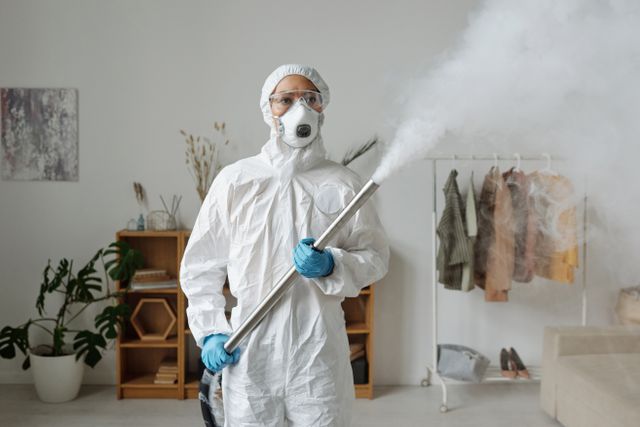
Common Household Pests
Different pests require different treatment methods.
Cockroaches
Cockroaches contaminate food preparation areas and spread bacteria throughout kitchens and storage areas.
Termites
Termites silently feed on wood and may cause severe structural damage before becoming visible.
Rodents
Rats and mice damage property, contaminate food, and may chew electrical wiring.
Bed Bugs
Bed bugs hide inside mattresses, furniture, and cracks, feeding on human blood during the night.
Mosquitoes
Mosquitoes breed in standing water and are known for spreading several diseases.
Ants
Ant colonies often invade kitchens in search of food and moisture.
Spiders
Although many spiders are harmless, their webs reduce cleanliness and some species may bite if disturbed.
Signs You Need Professional Pest Control
Many infestations begin quietly.
Watch for these warning signs.
Droppings
Rodent droppings are commonly found near food storage, cabinets, and hidden areas.
Property Damage
Chewed wires, damaged furniture, and wooden structures may indicate pest activity.
Live Insects
Seeing pests during the day often suggests a larger hidden population.
Strange Odors
Some infestations produce noticeable odors, especially rodents and cockroaches.
Bite Marks
Bed bug bites often appear in clusters after sleeping.
Nesting Materials
Shredded paper, fabric, and other materials may indicate rodent nesting.
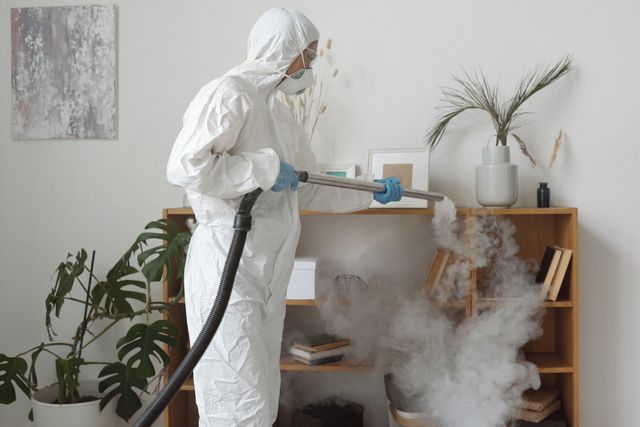
Benefits of Professional Pest Control
Professional treatment provides several long-term advantages.
Eliminates Existing Pests
Targeted treatments remove active infestations more effectively than household sprays.
Prevents Future Infestations
Professional services focus on reducing conditions that attract pests.
Protects Property
Early treatment helps reduce damage caused by termites, rodents, and other destructive pests.
Improves Hygiene
Removing pests contributes to cleaner kitchens, living spaces, and workplaces.
Protects Family Health
Reducing pest populations lowers the risk of contamination and pest-related health concerns.
Saves Money
Preventive pest management often costs less than repairing extensive damage.
Residential Pest Control
Homes require regular protection against common household pests.
Professional residential pest control is suitable for:
- Houses
- Apartments
- Villas
- Duplexes
- Townhouses
Regular inspections help identify problems before infestations spread.
Commercial Pest Control
Businesses rely on pest-free environments to protect employees, customers, and operations.
Commercial properties include:
- Hotels
- Restaurants
- Hospitals
- Schools
- Warehouses
- Office buildings
- Shopping malls
- Retail stores
Professional pest management helps businesses maintain hygiene standards and customer confidence.
How Professional Pest Control Works
Professional treatment follows a systematic process.
Typical steps include:
- Property inspection
- Pest identification
- Infestation assessment
- Treatment planning
- Pest elimination
- Preventive recommendations
- Follow-up inspection (if required)
Every property receives a customized treatment plan.
How Often Should Pest Control Be Done?
Treatment frequency depends on the property type and pest activity.
General recommendations include:
- Homes: Every 6–12 months
- Restaurants: Every 3 months
- Hotels: Every 3–6 months
- Hospitals: Every 3 months
- Commercial buildings: Every 6 months
Properties with recurring infestations may require more frequent treatments.
Tips to Prevent Pest Infestations
Prevention is always easier than treatment.
Helpful practices include:
- Keep food sealed.
- Clean spills immediately.
- Remove standing water.
- Empty trash regularly.
- Seal cracks and gaps.
- Store food properly.
- Maintain clean surroundings.
- Schedule regular inspections.
Simple maintenance greatly reduces pest activity.
Why Hire a Professional Pest Control Service?
Household sprays often eliminate only visible pests without addressing hidden nests or breeding areas.
Professional technicians use proven treatment methods designed to target the source of the infestation.
Professional services provide:
- Accurate pest identification
- Customized treatment plans
- Better long-term results
- Professional equipment
- Safe application methods
- Preventive recommendations
Hiring experienced professionals helps achieve more reliable pest management.
Frequently Asked Questions
How often should pest control be performed?
Most homes benefit from professional pest control once or twice each year, while commercial properties often require more frequent service.
Is professional pest control safe?
Professional technicians follow recommended application procedures and provide guidance regarding re-entry times and safety precautions.
Can pest control eliminate termites?
Yes. Professional termite treatment is specifically designed to manage termite infestations and help protect wooden structures.
Do I need pest control if I only see one cockroach?
Seeing even one cockroach may indicate a larger hidden infestation, making early inspection advisable.
How long does pest treatment take?
Treatment time depends on the size of the property, the pest involved, and the level of infestation. Most residential treatments are completed within a few hours.
Final Thoughts
Pests can affect your health, damage your property, contaminate food, and create unnecessary stress if left untreated. Regular pest control is one of the most effective ways to protect your home or business while maintaining a cleaner, safer, and healthier environment.
Whether you are dealing with cockroaches, termites, rodents, mosquitoes, bed bugs, ants, or other unwanted pests, professional treatment provides reliable solutions that go beyond temporary fixes.
If you’ve noticed signs of pest activity or want to prevent future infestations, scheduling a professional pest control service is a smart investment in the long-term safety and cleanliness of your property.
