
Water Tank Cleaning: Why Regular Cleaning Is Essential for Safe and Clean Water
Table of Contents
Water is one of the most important resources we use every day. Whether it’s for drinking, cooking, bathing, or cleaning, we rely on water stored in overhead and underground tanks to meet our daily needs. While many people pay attention to water filters and plumbing systems, they often forget about the condition of the water tank itself.
Over time, water tanks collect sediment, dirt, rust, algae, bacteria, and other contaminants that can affect water quality. Without regular maintenance, these deposits can build up and create an unhealthy environment inside the tank.
Professional water tank cleaning helps remove accumulated sludge, dirt, and biological growth while maintaining a cleaner and more hygienic water storage system. Whether you own a home, apartment, hotel, office, school, hospital, or commercial building, routine tank cleaning is an important part of protecting your water supply.
In this guide, you’ll learn why water tank cleaning matters, warning signs that your tank needs cleaning, the benefits of professional maintenance, and how often your water tank should be cleaned.
What Is Water Tank Cleaning?
Water tank cleaning is the process of removing dirt, sludge, sediment, algae, rust, and other contaminants that accumulate inside a water storage tank over time.
Professional cleaning typically includes:
- Removing stored water
- Cleaning tank walls
- Removing sludge and sediment
- Cleaning the tank floor
- Removing algae and biofilm
- Washing internal surfaces
- Inspecting the tank
- Refilling after cleaning (where applicable)
The goal is to maintain a clean and hygienic water storage system that supports better water quality.

Why Do Water Tanks Become Dirty?
Even if clean water enters your tank, contamination can gradually occur over time.
Several factors contribute to this buildup.
Sediment
Small particles of sand, soil, and minerals naturally settle at the bottom of the tank after entering through the water supply.
Rust
Metal tanks and aging plumbing components may introduce rust particles into the stored water.
Algae Growth
If sunlight enters the tank through damaged lids or openings, algae can begin growing inside.
Dust and Debris
Poorly sealed tanks may allow dust, leaves, insects, and other debris to enter.
Biofilm
Naturally occurring microorganisms may attach to tank surfaces and form thin biological layers over time.
Long-Term Water Storage
Water that remains stored for extended periods allows contaminants to settle and accumulate at the bottom of the tank.
Signs Your Water Tank Needs Cleaning
Many property owners don’t realize their tank requires cleaning until obvious problems appear.
Watch for these warning signs.
Dirty or Cloudy Water
Water that appears cloudy or contains visible particles may indicate sediment buildup inside the tank.
Unpleasant Odor
A foul smell from taps or stored water may suggest bacterial growth or accumulated organic matter.
Sediment in Water
If you notice dirt collecting in buckets, sinks, or containers, your water tank may require cleaning.
Algae Inside the Tank
Green or dark-colored growth on tank walls is a clear sign that maintenance is overdue.
Reduced Water Quality
Changes in taste, smell, or appearance can indicate contamination inside the storage tank.
It Has Been More Than Six Months
If your tank hasn’t been professionally cleaned within the recommended maintenance period, scheduling an inspection is a good idea.
Benefits of Professional Water Tank Cleaning
Routine cleaning provides several important benefits.
Cleaner Stored Water
Removing sludge, dirt, and sediment helps maintain cleaner water inside the storage tank.
Improved Hygiene
Regular maintenance reduces contamination and helps maintain a healthier water storage environment.
Better Water Quality
A clean tank supports cleaner water distribution throughout the property.
Longer Tank Lifespan
Removing accumulated deposits helps reduce unnecessary wear on the tank and associated plumbing components.
Lower Maintenance Costs
Preventive cleaning reduces the likelihood of costly repairs caused by neglected water storage systems.
Improved Plumbing Performance
Cleaner water entering the plumbing system helps reduce sediment buildup throughout pipes and fixtures.
How Professional Water Tank Cleaning Works
Professional water tank cleaning follows a systematic process to ensure thorough results.
A typical cleaning service includes:
- Initial inspection
- Water drainage
- Sludge removal
- Sediment cleaning
- Wall cleaning
- Floor cleaning
- Algae removal
- Tank inspection
- Final rinse
- System restoration
Each cleaning method is adapted to the size, material, and condition of the tank.
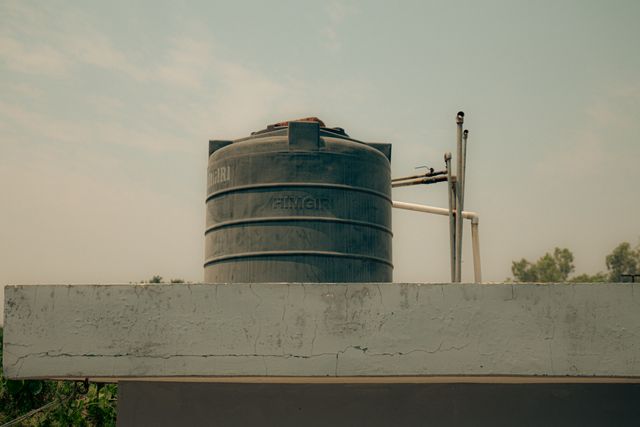
Residential Water Tank Cleaning
Homes depend on clean stored water for everyday living.
Professional residential cleaning is suitable for:
- Houses
- Apartments
- Villas
- Duplexes
- Townhouses
Common residential water tanks include:
- Overhead tanks
- Underground tanks
- Plastic tanks
- Concrete tanks
- Stainless steel tanks
Routine cleaning helps maintain a cleaner household water supply.
Commercial Water Tank Cleaning
Commercial properties often store larger volumes of water and require regular maintenance.
Businesses that benefit include:
- Hotels
- Hospitals
- Schools
- Restaurants
- Shopping malls
- Office buildings
- Apartment complexes
- Factories
Routine maintenance supports reliable water storage for daily operations.
How Often Should Water Tanks Be Cleaned?
Cleaning frequency depends on water usage, tank size, environmental conditions, and local water quality.
General recommendations include:
- Residential tanks: Every 6 months
- Commercial tanks: Every 3–6 months
- Hospitals: Every 3 months
- Hotels: Every 3–6 months
- Schools: Every 6 months
- Apartment buildings: Every 6 months
Regular inspections help determine whether more frequent maintenance is necessary.
Tips to Keep Your Water Tank Clean
Professional cleaning is essential, but these simple practices help maintain water quality between services.
- Keep the tank lid tightly closed.
- Repair damaged covers immediately.
- Prevent sunlight from entering the tank.
- Inspect the tank regularly.
- Clean surrounding areas.
- Remove nearby debris.
- Schedule regular professional cleaning.
- Maintain connected plumbing systems.
Small preventive measures help reduce contamination and improve water quality.
Why Hire a Professional Water Tank Cleaning Service?
Cleaning a water tank requires proper equipment, safe working practices, and thorough cleaning techniques.
Professional technicians can:
- Remove accumulated sludge safely.
- Clean difficult-to-reach areas.
- Inspect the tank for damage.
- Recommend maintenance improvements.
- Restore cleaner storage conditions.
Hiring professionals helps ensure the work is completed efficiently and thoroughly.
Frequently Asked Questions
Why is water tank cleaning important?
Over time, tanks collect sediment, dirt, algae, and other contaminants that can affect water quality. Regular cleaning helps maintain a cleaner and more hygienic water storage system.
How often should a water tank be cleaned?
Most residential tanks should be cleaned every six months. Commercial facilities and high-usage properties may require more frequent maintenance.
Can dirty water tanks affect plumbing?
Yes. Sediment and debris from neglected tanks can enter the plumbing system, contributing to deposits inside pipes and fixtures.
How long does water tank cleaning take?
The cleaning time depends on the size and condition of the tank. Most residential tanks can be cleaned within a few hours.
Can all types of water tanks be cleaned?
Yes. Professional cleaning services are available for plastic, concrete, fiberglass, stainless steel, and underground water tanks.
Final Thoughts
A clean water tank is the foundation of a healthy water storage system. While water treatment and filtration are important, they cannot replace routine tank maintenance. Sediment, algae, rust, and other contaminants naturally accumulate over time, making regular cleaning essential for maintaining better water quality and protecting your plumbing system.
Whether you own a home, apartment building, office, hotel, school, hospital, or commercial property, investing in professional water tank cleaning helps protect your water supply, improve hygiene, and reduce long-term maintenance costs.
If it has been several months since your last cleaning or you’ve noticed changes in your water quality, now is the right time to schedule a professional water tank inspection and cleaning. Preventive maintenance today can help ensure cleaner, safer, and more reliable water for months to come.
